

Buttermilk Cinnamon Rolls
Introduction
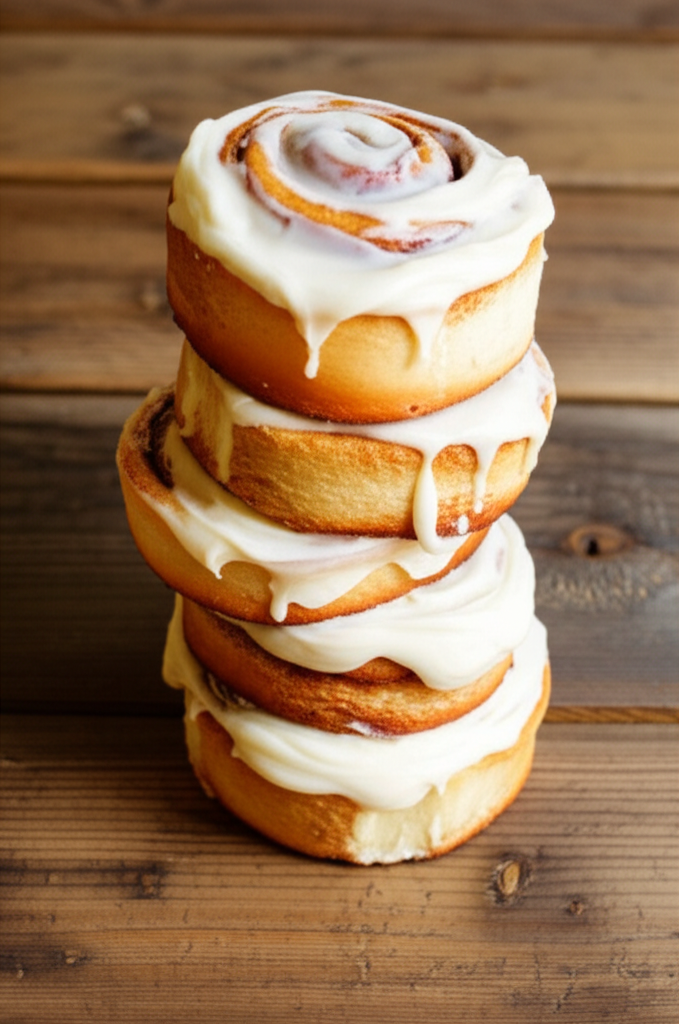
These Buttermilk Cinnamon Rolls are gooey and tasty, with just the right amount of tartness. The buttermilk makes them light and fluffy. These are the finest thing to wake up to since they are covered with cream cheese frosting. Make them the night before so you can bake them in the morning.
Is it a family tradition to eat cinnamon rolls on Christmas morning? They have become one for us! They may take a little longer than other recipes, but they are definitely worth it.
These buttermilk cinnamon buns are the best thing to wake up to on a holiday morning and any other day. You don’t need a reason to make homemade cinnamon rolls, but it will feel like one when you do! They taste like a regular cinnamon roll, but with a twist. This recipe is not like the classic, but adding buttermilk gives it more flavor and makes the cinnamon rolls even lighter and fluffier. Buttermilk’s acidity breaks down the gluten and proteins, which makes your cinnamon rolls so soft! There should be more baked items that use buttermilk.
You can make it ahead of time. If you want to prepare cinnamon rolls in the morning, you can end up with a lot of them. A lot of waiting. But you can have these ready a day ahead of time, so all you have to do is let the rolls rise one last time before you bake them. You don’t have to get up at the crack of dawn!
This recipe for cinnamon rolls is really easy and basic. I’ve always thought that making cinnamon rolls was hard. This buttermilk cinnamon roll recipe, on the other hand, is really simple and hard to mess up. So even a newbie can learn them!
Key Ingredients Explanation
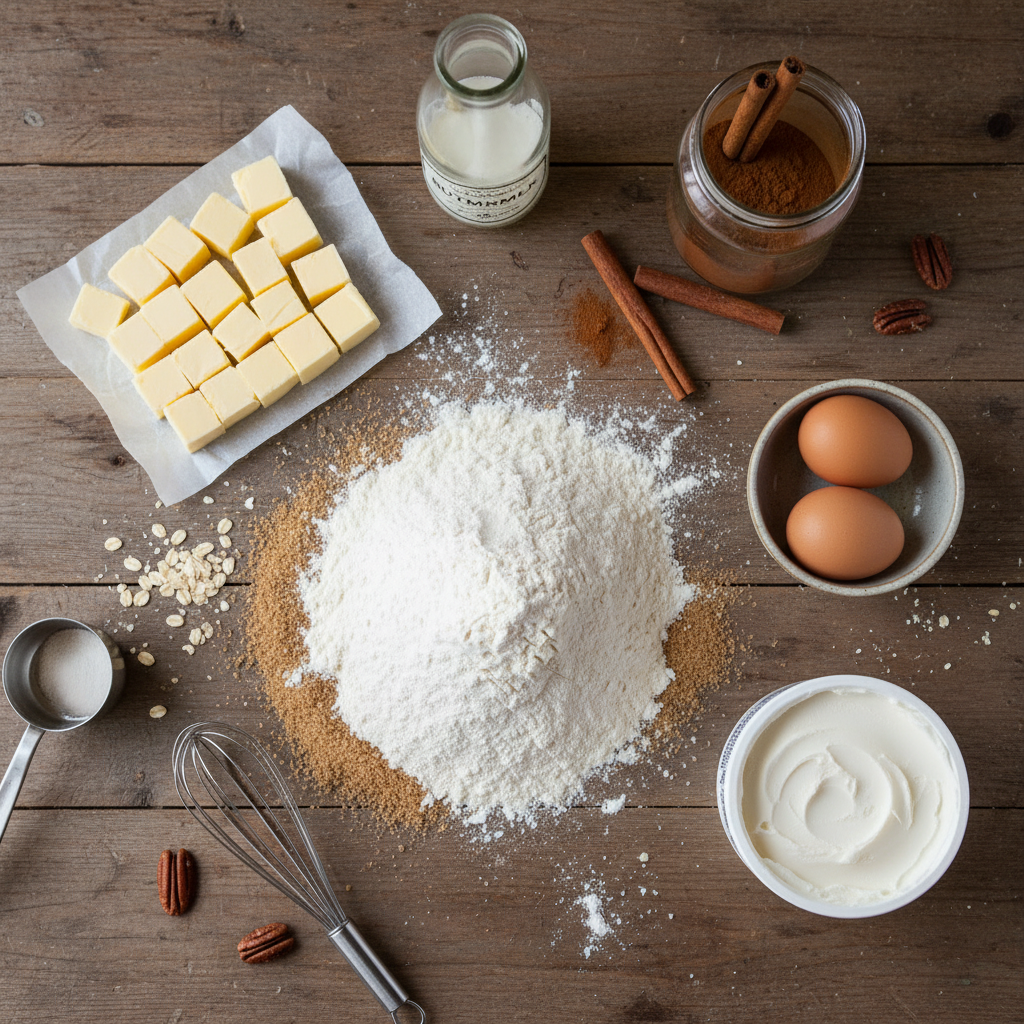
Buttermilk is the main thing that makes these fluffy cinnamon rolls different from others. Buttermilk will make the rolls soft and fluffy and give them a tangy taste. Both regular and low-fat buttermilk have worked well for me. You can make your own buttermilk if you can’t find any, or you can use whole milk in a pinch. The taste will be a little different, though.
Instant yeast: For optimal results, use “instant active yeast.” Using instant active dried yeast can save you a lot of time while making the dough and letting it rise.
Salted butter: I like salted butter best in this recipe for buttermilk cinnamon rolls. It adds a nice touch to the taste. You could use unsalted, but I think it tastes better that way.
Sugar: The dough for the cinnamon rolls is made with white sugar.
Salt: Sea salt or table salt will work nicely.
Eggs: Big eggs, room temperature.
Flour: All purpose flour, spooned and smoothed. Make sure you have plenty for rolling the dough or to add after kneading if the dough appears too sticky.
Brown sugar: Light or dark brown sugar, whatever is your pleasure.
Cinnamon: Your favorite cinnamon, and don’t hold back!
Heavy cream: This is to brush over top of your cinnamon rolls before baking. You can certainly use whole milk instead if desired.
Salted butter: Again, salted butter is our favorite. It’s okay if you use unsalted, just add a little salt to the frosting.
Cream cheese: Full fat is desirable and will have the best flavor and texture in the recipe.
Vanilla: Vanilla extract is ideal over imitation. You can add a bit of maple extract or even almond extract to change the flavor significantly.
Powdered sugar: Adjust the amount of this ingredient to desired thickness.
Ingredient List
- 1 c buttermilk, warmed to 90°F
- 1 pack instant active yeast, (.25 oz or 2 ¼ tsp), (also called “rapid rise”)
- 1/2 c salted butter, very soft or somewhat melted
- 1/3 c white sugar
- 1/2 tsp salt
- 2 large eggs
- 4 c all purpose flour, more as needed
- ¼ c heavy cream, for brushing the tops, or whole milk
- 1/2 c salted butter, very soft
- 1 1/4 cups of brown sugar
- 2 T of cinnamon
- 5 T salted butter, softened
- 4 oz cream cheese
- 1 tsp vanilla extract
- 1 ½ – 2 c powdered sugar
Step-by-Step Instructions
- To start warm the buttermilk slightly. Warm it on low over the stove until it hits about 85°F and then remove it from the heat so it doesn’t go over 90°F when it curdles. You may also microwave in about 20 second increments at 50% power level.
- Transfer the warmed buttermilk to the bowl of a stand mixer and sprinkle the instant yeast over and whisk together. Allow it to sit for about 7-10 minutes. It will become slightly frothy and bubbly which will let you know it is activated.
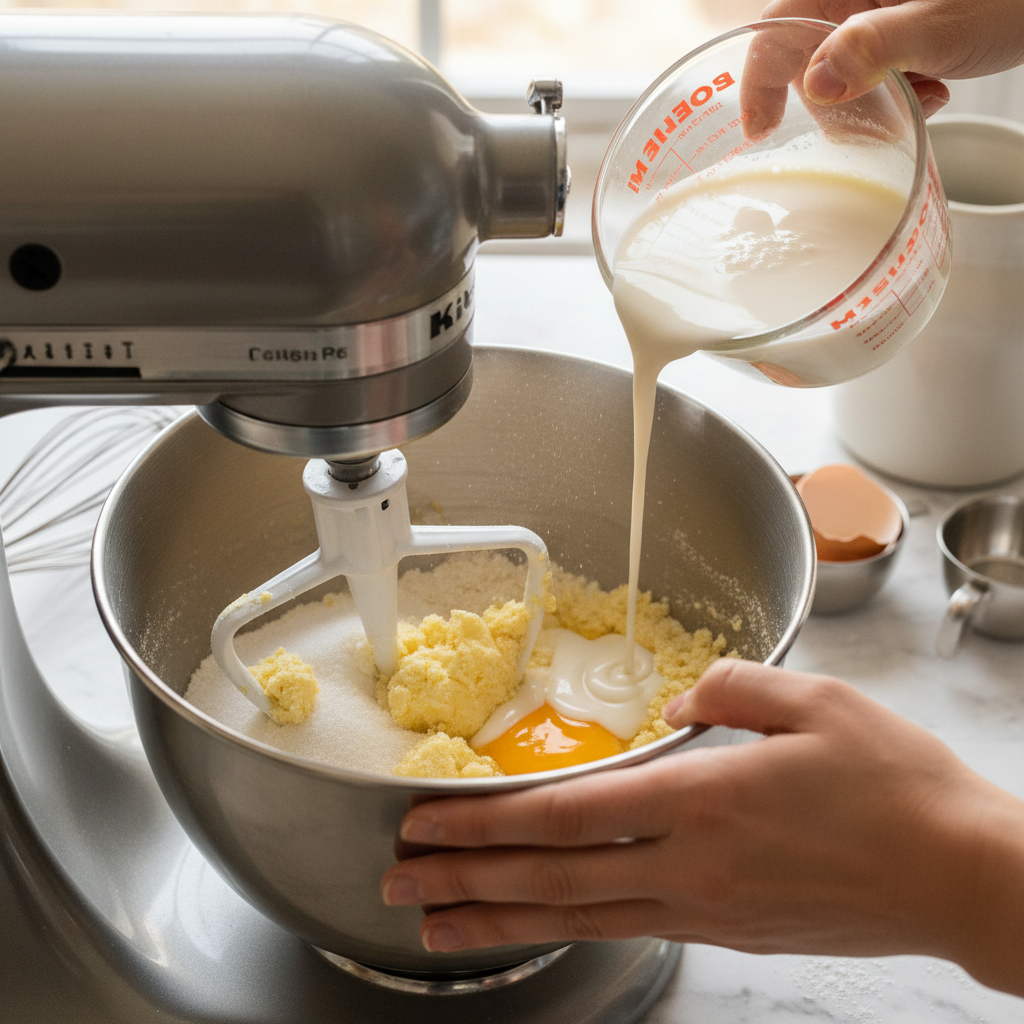
- Add the room temperature eggs, soft butter and sugar to the yeast mixture and beat with the paddle attachment on medium until smooth and incorporated. (**If you see small clumps, don’t be worried. Sometimes the butter will clump slightly from the variance in temperatures)
- Add the 4 cups of flour and salt and beat until incorporated. Remove the paddle attachment from the mixer and replace it with the dough hook. On low speed, knead the dough for about 5 to 7 minutes. Add 1 to 2 tablespoons of flour at a time if the dough is very sticky and sticking to the sides of the bowl. When the dough is ready, it should be tacky and pliable, but not sticky. It should also form a nice, smooth ball. If you don’t have a stand mixer, you can knead the dough by hand instead.
- Transfer dough to a large bowl that has been sprayed with oil. Cover with a towel and set in a warm place to let the dough rise. It should double in size. (You can set your oven to preheat to 350°F and allow it to warm up for about 2-3 minutes and then turn the oven off. Then allow the dough to sit in the warm oven to rise.)
- Mix together the very softened butter, cinnamon and brown sugar for the filling.
- Place the risen dough on a lightly floured surface. You can start to form it in a slightly rectangular shape to help when rolling it out. Use a rolling pin to roll the dough out to about 24 inches long and about 16 inches wide. It does not have to perfect.
- Use a rubber spatula to spread the butter, brown sugar and cinnamon mixture over the dough leaving about 1/2 inch border.
- Start to roll the dough from the 24 inch side and roll to form a tight log. Try to roll the dough tight, but not overly tight or the centers can pop up when baking. Trim the ends off if desired.
- Use unflavored dental floss or a sharp knife to cut the cinnamon rolls about 1 3/4 inches (if you trimmed the ends or 2 inches if not). I like to place an indentation where that is by measuring before cutting.
- Place the cut cinnamon rolls in a greased 9×13 inch metal or glass baking pan. (If doing an overnight version, seal and refrigerate here). Cover the rolls and allow them to sit in a warm spot until they about double in size. This can take about 1 hour. You can speed it up by turning on the oven for about 2 minutes and then shutting it off. Place the rolls in the oven and they should rise in about 30 minutes.
- Preheat the oven to 350°F. While the oven preheats brush the tops and sides of the rolls with heavy cream (or whole milk).
- Bake the buttermilk cinnamon rolls for approximately 25 minutes, checking at 20 minutes and then adjusting as needed. Cinnamon rolls are done when tops are golden brown and the internal temperature of the center roll reads about 190°F – 200°F. You can also pull out the center cinnamon roll and make sure it is not undone or overly wet and gooey, as in not baked, to test doneness.
- Cream the softened butter and cream cheese until smooth. Add in the vanilla and beat to combine. Slowly add the powdered sugar until desired consistency.
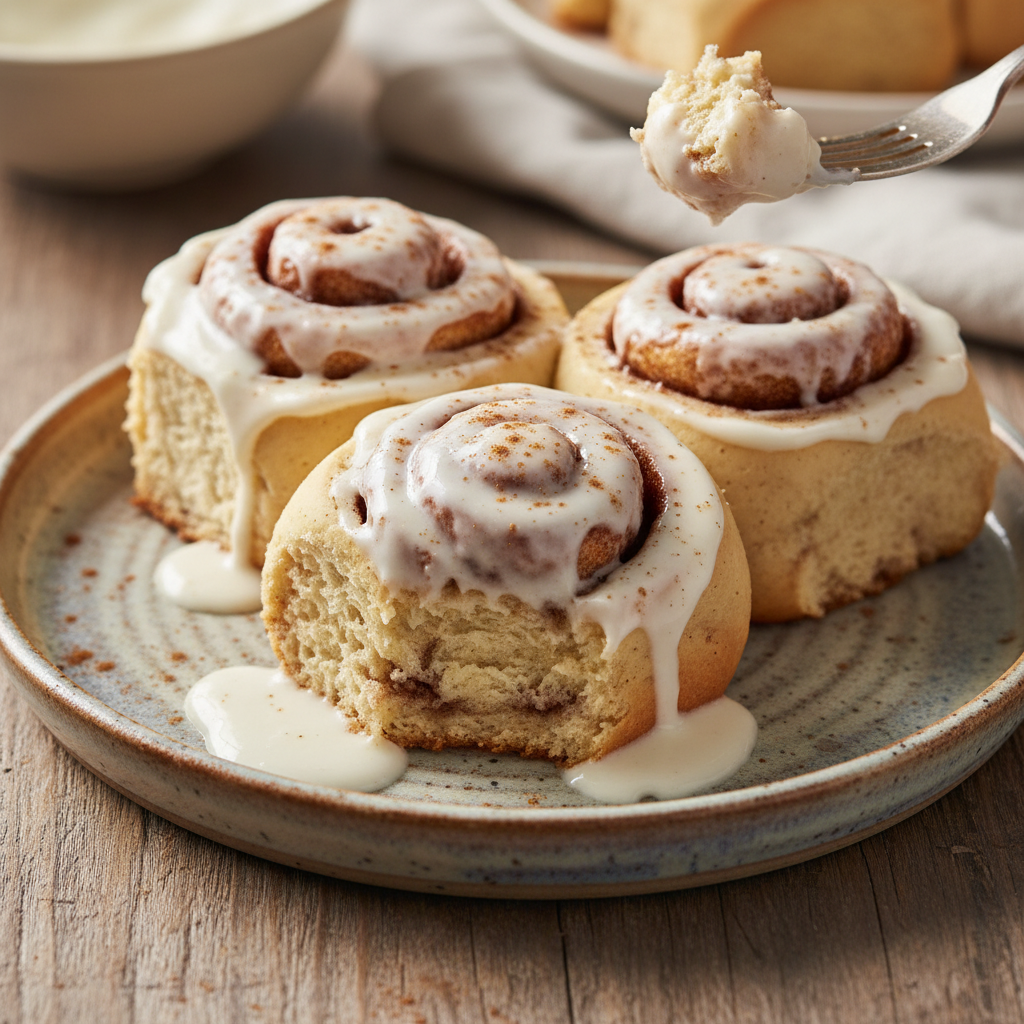
- Allow baked cinnamon rolls to cool for about 5-10 minutes. Then spoon equal amounts of cream cheese icing over top of each cinnamon roll. Allow it to sit for about a minute or two. This will make it so easy to spread. Once icing is warmed up a bit use an offset spatula or knife to spread over top of the rolls and allow it to spill over to the sides.
- Serve cinnamon rolls immediately.
Overnight Version and Tips
It is super easy to make these overnight cinnamon rolls. Follow all instructions up until the buttermilk cinnamon rolls are cut and placed in the prepared pan.
Once they are in the pan, do not allow them to rise. Instead cover and seal with plastic wrap tightly and refrigerate for up to 24 hours.
The next morning, about an hour or so before baking, remove the rolls and allow them to warm up and then rise. From there, all other directions are the same!
Additional Tips
- Do not worry if the mixture of buttermilk, butter and eggs looks curdled. This scared me the first few times making these cinnamon rolls. While the mixture may look slightly curdled, it is more likely just the butter clumping up slightly from the difference in temperature between the buttermilk and butter. Your dough will still look smooth in the end.
- You can make this cinnamon roll dough without a stand mixer. You will have to knead the dough, which will take a little more work, but it is still possible. Knead the dough for the cinnamon rolls until it is smooth and you can poke your finger into it without it sticking. It should be a little sticky, but not too much.
- You can tent the cinnamon rolls with aluminum foil to avoid the tops getting too dark while baking. If you don’t want the tops of your rolls to be too browned, after about 12 minutes of baking, loosely tent a piece of foil over the cinnamon rolls and bake until done.
- Depending on how cool your home is, the rise time for your dough may vary. Try to find a very warm spot in your house. A spot near a vent, in a warm (but not on) oven, or another cozy spot for the quickest time.
- Store leftover cinnamon rolls for 1-2 days sealed at room temperature or refrigerated for up to 5 days. You can technically keep these buttermilk cinnamon rolls at room temperature for 1-2 days but I find it best to refrigerate them sealed well in an airtight container for about 4-5 days and then reheating before eating.
- You can freeze baked and iced cinnamon rolls as well. Allow the cinnamon rolls to cool completely. Arrange in a single layer in a pan or on a plate and freeze for about 1-2 hours before transferring them to a freezer safe airtight container. Separate layers with wax paper for best results.
Nutrition Information
Calories: 494kcal, Carbohydrates: 78g, Protein: 7g, Fat: 25g, Saturated Fat: 15g, Polyunsaturated Fat: 1g, Monounsaturated Fat: 6g, Trans Fat: 1g, Cholesterol: 91mg, Sodium: 333mg, Potassium: 141mg, Fiber: 2g, Sugar: 29g, Vitamin A: 798IU, Vitamin C: 0.3mg, Calcium: 81mg, Iron: 2mg
Nutrition information is automatically calculated, so should only be used as an approximation.