

Chicken Fajitas: From Overrated to Irresistible
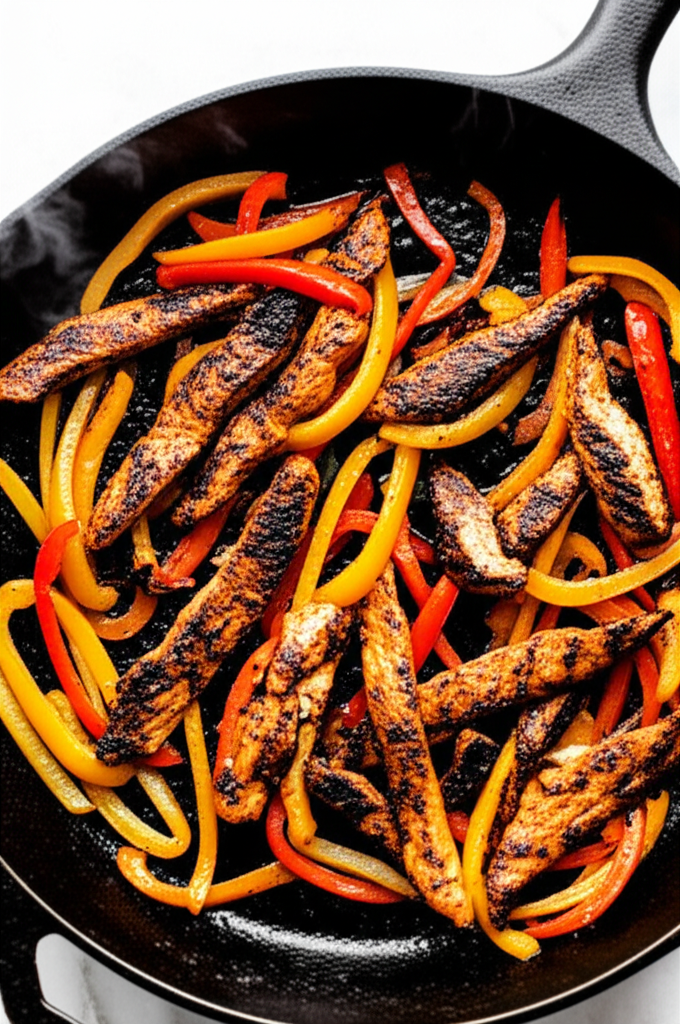
I thought Chicken Fajitas were just a flashy showman at the Mexican restaurant. They were WAY overrated with their steamy, smoky cast iron entrance. (Like, get over yourself already.) After that, I tried making a recipe at home with my own marinade. Whoa! Tender, juicy blackened chicken, peppers and onions that are just right, a big scoop of guacamole, and cilantro lime rice on the side. I didn’t even like fajitas before, but now I’m going to run away with them (we’re never coming back!) I’ll show you how to make them!
“On one of my tests to make these fajitas, half of the chicken got a little blackened and the other half got very charred.” I put the batches on the cutting board so that my kids could avoid the parts that were too charred.
While I was already at the table, my son David came into the kitchen. I yelled, “Hey son, the fajitas on the left are very burnt, and the fajitas on the right are only a little burnt.”
David, who was disappointed, said, “Oh, really?” So my best choice is a little burned? I love fajitas, but I really don’t like charred.
“Are you sure?”I said. (This is a new level of picky for him.)
“Yes.” I’ve tried to eat charred when you’ve made it before, and I just don’t get why you would put that in fajitas.”
That’s when I figured out he was saying “chard,” not “charred.” He thought I put SWISS CHARD, the vegetable, in all the fajitas. A bitter vegetable he hates ruined one of his all-time favorite meals. Oh, the cruel world!”
I wouldn’t blame you for being angry if someone put Swiss chard in your fajitas. This story from my best friend Sarah made me laugh out loud. (I’ve never cooked with Swiss chard because I haven’t gotten to that level of vegetable yet.)
Sarah has been my best friend since college, when all of our roommates would take turns cooking dinner for everyone. Sarah would make something tasty and normal, and I would make something horrible. I once saw a recipe for a casserole that was “Quick, Cheap, and Easy.” It called for hot dogs, a can of baked beans, and frozen peas. I’m not making this up. When I say “charlatan,” I mean it. These are my roots, people.
But not Sarah. She had the gene for eating healthy food. She joined The Food Charlatan team last year as my project manager, and now she’s helping me come up with new recipes so we can get you guys more recipes even faster.
Sarah tried these fajitas a lot of times and didn’t see any chard. Then I made them, took a picture of them (made a few changes), fell in love, and here we are! Sarah knows what’s going on; these fajitas are great.
The chicken fajitas that made me change my mind
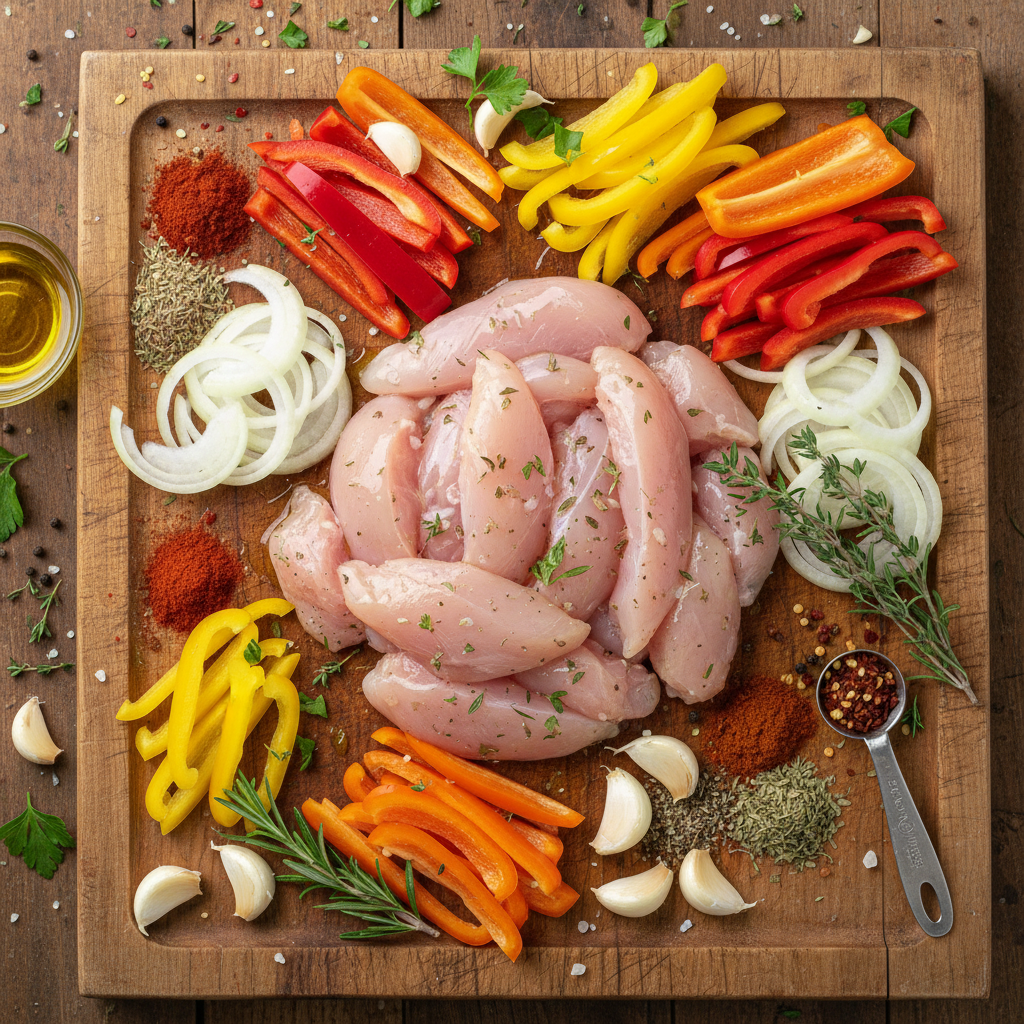
Fajitas are a tough sell for me, even when there is no Swiss chard in sight. Mostly-raw peppers and onions, tossed with slightly limey but mostly flavorless chicken? Even the sizzling-steaming-skillet-show couldn’t entice me. (Also, no cheese in sight. Come on Mexico, throw me a bone here.)
But then we discovered the magic of the marinade. Taking all the normal fajita ingredients and letting them have a good soak together for a hot minute changes everything.
And it doesn’t even take that long, we’re kind of faking it here with a 15 minute marinade. I promise that this whole meal will be ready in less than 45 minutes. The prep and cook times are both short. Your house will smell like a Mexican restaurant, too. You even get to throw onions and peppers into a pan that will SIZZLE LIKE A BOSS.
And about the cheese situation: we are breaking all the rules guys. Sarah came up with this idea that’s even better than just sprinkling cheese on top: she warms each tortilla flat in a pan, sprinkling it with shredded cheese so it melts. LIKE A FREAKIN QUESADILLA. (Has quesabirria hit your neighborhood yet? Bless you, California. The rest of the world is finally catching on to the wrapping-in-cheese-phenomenon.)
The last element to put these fajitas over the top: Top with absurd amounts of Guacamole, then drizzle with Chipotle Mayo. I’ve been dipping my entire life in this stuff lately, no joke. I made a huge batch for these Breakfast Burritos, and it’s been my daily snack ever since. Tacos? yeah. Chips? yeah. Dip with a finger? still yeah. It is SO amazing on these fajitas.
A marinade for chicken fajitas
So, what’s in the sauce that makes it magic? Fajita marinade, at its simplest, has only a few ingredients: lime juice, cumin, chili powder, and salt. But there are a few things that make this marinade go from “okay” to “hot dang!”
- smoked paprika and liquid smoke to make it taste like it was just grilled
- Cayenne pepper for a little extra heat
- Soy sauce gives this marinade a rich umami taste while letting the other flavors shine
- and of course garlic and cilantro. It’s not Mexican food without those guys.
I thought Chicken Fajitas were nothing but a sizzly showman at the Mexican restaurant: WAY overrated with their steamy smoky cast iron entrance. (Like, get over yourself already.) After that, I tried making a recipe at home with my own marinade. Whoa! Tender juicy blackened chicken, partying in your tortilla with perfectly cooked peppers and onions. I didn’t even like fajitas, and now I’m going to run away with them (we’re never coming back)! I will show you just how to make them!
Equipment
12-inch cast iron skillet
Ingredients for my easy chicken fajita recipe
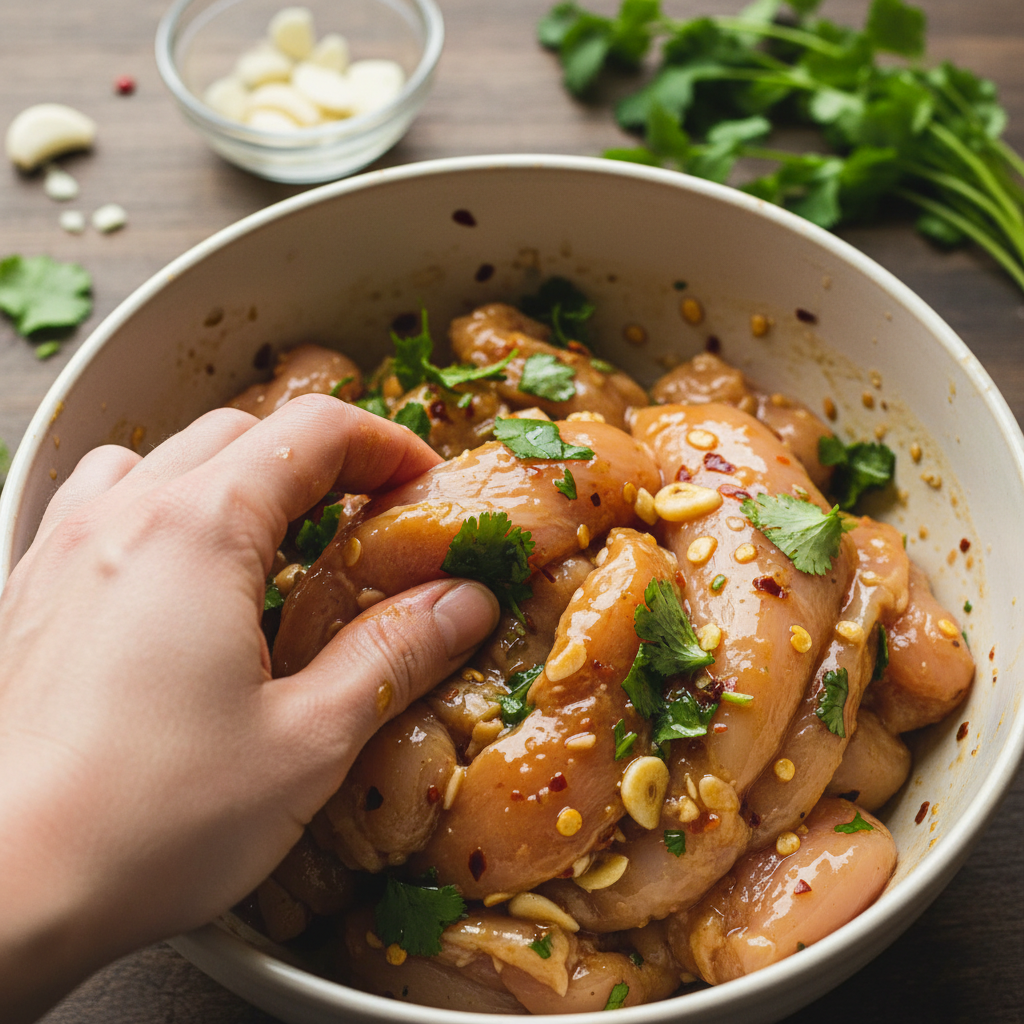
Here’s a quick list of basic ingredients you need to make these chicken fajitas. Scroll down to the recipe card below for all the deets!
- 1 and 1/2 pounds chicken thighs , you can sub chicken breast*
- 2 tablespoons lime juice, from 1 lime
- 1 tablespoon soy sauce
- 1 teaspoon liquid smoke
- 2 tablespoons cumin
- 2 teaspoons kosher salt, use a little less if you have table salt
- 2 teaspoons chili powder
- 1 teaspoon smoked paprika
- 1 teaspoon onion powder
- 1/4 teaspoon cayenne pepper, (or more, if you like it spicy!)
- 1/3 cup chopped cilantro, (plus more to garnish, optional)
- 4 cloves garlic, smashed and minced
- 2 tablespoons vegetable oil, for searing chicken
- 2 tablespoons butter, for searing chicken
- 3 small red, yellow, or orange bell peppers, sliced
- 1 medium onion, sliced
- 1 teaspoon of kosher salt for the onions and peppers
- 12 6-inch flour tortillas, which are sometimes called “fajita size”
- 1 cup of shredded Monterey Jack cheese**
To add to
- sour cream
- Mayo with Chipotle
- Guacamole
- lime wedges
- cilantro, chopped
How to make chicken fajitas
Let’s get cooking.
- Marinate the chicken. Slice 1 and 1/2 pounds chicken thighs into long 1-inch wide strips.* Cut against the grain, meaning your knife should be perpendicular to the lines you see running in the raw chicken. You can use chicken breasts if you want! See notes for annoyingly long details. Sometimes I can’t shut up guys.
- Add chicken to a medium bowl.
- Add all the marinade ingredients: 2 tablespoons lime juice, 1 tablespoon soy sauce, 1 teaspoon liquid smoke, 2 tablespoons cumin, 2 teaspoons kosher salt, 2 teaspoons chili powder, 1 teaspoon smoked paprika, 1 teaspoon onion powder, 1/4 teaspoon cayenne pepper, 1/3 cup chopped cilantro, and 4 cloves of garlic (at least 1 tablespoon minced). Stir it into the chicken and make sure it’s all well distributed.
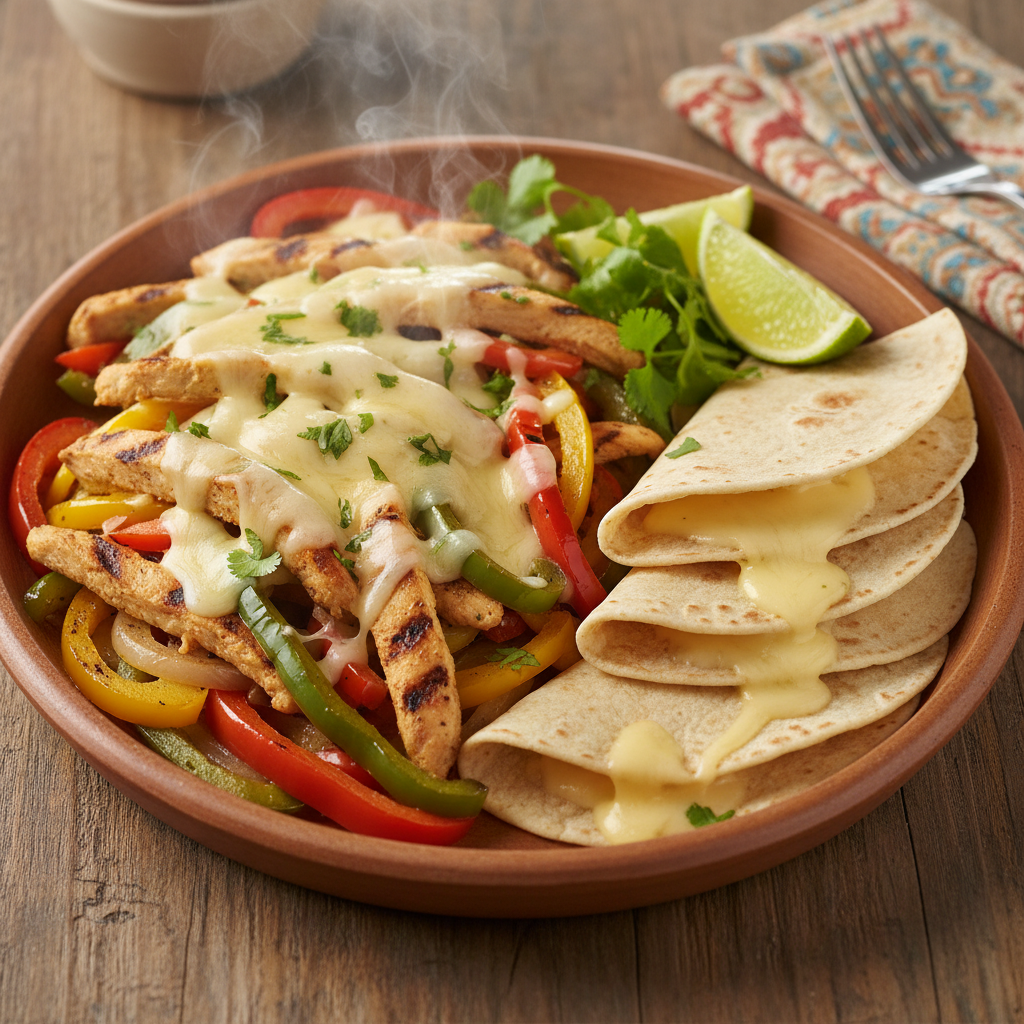
- Let marinate for 15 minutes. (or up to 24 hours in the fridge!)
- Prep the veggies. Slice the bell peppers into 1/4 inch slices. I like to cut the long strips in half, so they are more bite size. See photos. Set aside.
- Slice off the knobby ends of the onion. Place the flat side on the cutting board, and cut in half. Place the halved side down on the cutting board, then make 1/4 inch slices. Add to the onions to the peppers and set aside.
- How to cook chicken fajitas on the stove: Sear the heck out of this chicken! Crank the heat up to medium high heat. The method is the same whether your chicken is in cutlets, whole thighs, or strips. You just have to cook a little longer and maneuver the heat a little more frequently if you do bigger pieces.
- Here is the test where I sliced into strips before cooking. I prefer this method because you get more blackened edges (MORE CHARD!! 😂) and it cooks fast. (But you have to do more batches this way).
- Heat a 12 inch cast iron skillet over medium high heat. (Or use the sturdiest large skillet you have.) Let the pan preheat for at least 2 minutes until is crazy hot. Add 2 tablespoons vegetable oil and swirl to coat the pan. It should shimmer right away.
- Use tongs to add chicken strips to the pan one at a time. Do your best to get as much of the marinade off the chicken as you can, let it drip off. Leave at least 1-2 inches of space between strips of chicken, they need room to sear. Be careful, the oil may splatter! Add as many as you can to the pan without crowding; you will have to do this in 2-3 batches.
- Sear for about 2 minutes until the bottom is blackened.
- Add 1 tablespoon butter to the pan and use the tongs to swirl it around in between the chicken. Use the tongs to flip each piece of chicken one by one, landing on the melted butter. Let sear on the second side for about 1-2 minutes, until a thermometer in your largest piece reads 155 degrees (the temp will continue to rise off-heat). Or just cut one in half to check that it’s white and not pink.
- Repeat with the remaining chicken strips. Hang on to that marinade! Set it aside.
- Remove the chicken to a plate or cutting board, then tent with foil to keep warm. I actually usually stick it in my turned-off microwave.
- Now chop up some cilantro. I’m always amazed when people come to my house for Taco nights and I ask them to chop cilantro and they’re like “how.” Well, here’s how. Hold the stems and use a knife spread the leaves outward, then cut away from the stems with your knife slanted. (Pretend my hand is holding onto the stems…seriously need to invest in a tripod. Or grow a third hand??) Then bunch the leaves up in your fingers and chop finely. The nice thing about cilantro is that the stems are very flavorful and delicious, so if you get a few stems in that’s fine! (Parsley, which looks so similar to cilantro, has super bitter stems, so you need to be more careful. But cilantro is easy.)
- Now it’s time to cook those peppers and onions. Don’t be scared of all the blackened bits! They add so much flavor. (BUT DON’T ADD ANY CHARD! Is this joke getting old 😂)
- Add 2 more tablespoons cooking oil to the cast iron skillet and make sure your heat is still at medium high. Add the sliced peppers and onions all at once, and feel like a boss with all those veggies mounded so high. Sprinkle with 1 teaspoon kosher salt, then add all the remaining chicken marinade right away. Stir up all the browned bits from cooking the chicken.
- Saute for about 2-3 minutes, until crisp-tender, or more. How long you cook the veggies is totally up to you. Keep in mind they will continue to cook a little even after you turn off the heat. Traditional fajitas are cooked only until the peppers and onions are still pretty inflexible, and quite colorful. I tend to like mine cooked a little past that. Wimp, much??
- Add in the chicken. Once you have the veggies how you like them, remove from the heat. Take a minute to cut any larger pieces of chicken into more bite-size pieces. Add all the chicken and any resting liquid into the pan with the peppers.
- Prep the tortillas. Warm the flour tortillas one by one in a clean skillet set over medium heat. Top each tortilla with a sprinkle of shredded cheese (Monterey Jack, Oaxaca, quesadillla, etc.) if you want the ultimate experience! Heat until the cheese melts, then gently fold in half and keep warm in a tortilla warmer (or on a plate covered with a tea towel)
- Serve the chicken and peppers in a warm tortilla, topped with sour cream or Chipotle Mayo, a squeeze of lime juice, a sprinkle of chopped cilantro, and a side of Cilantro Lime Rice. Jam it in your mouth as fast as you can! Repeat.
Notes
*Chicken: If you have thighs, cut them into 1-inch strips. If you are using chicken breasts, you can also cut into strips and follow the same instructions in the recipe.
Cutlets or whole thigh cooking instructions: If searing strips sounds like a lot of work (I get you, it does mean more batches) then slice the breasts into cutlets (horizontally, so you have two thin flat breasts.) You can leave thighs whole, unless they are huge (cut them in half). Then follow this cook method:
Sear on medium high heat for about 2 minutes, then turn the heat down to medium and cook another 2 minutes. Then turn the heat back up to medium high, add butter, and flip. Let sear for 2 minutes, then turn the heat to medium and keep cooking until no longer pink, or until the internal temperature reaches 155-160 degrees F.
**Cheese: Technically there is no cheese in a traditional fajita, but you know, ‘Merica. You can use any cheese you want to top your fajitas (or melt in your tortilla). Pepper jack adds a lil kick, Manchego or Monterey jack are also absolutely delicious.
Double the recipe: You can easily double this recipe, just make sure to cook the chicken and the veggies in batches. If you don’t, they’ll steam instead of searing and they won’t have the same awesome flavors and textures!
What do you put on fajitas?
These fajitas are the real deal and adding toppings only makes them better. Here are some of my favorite fajita toppings!
- Sour cream
- Chipotle Mayo << I’m telling you!! I’ve been known to straight up dunk my fajita into it (maybe I need a chipotle intervention??)
- Cheese
- Chopped cilantro
- Lime wedges
- Sliced avocados or Guacamole
- Hot sauce (use your fave!)
- 5-Minute Restaurant Style Salsa << so easy you’ll wonder why you ever buy salsa
How to make fajitas sizzle at home
When you add those onions and peppers to the pan, they will steam and shout like crazy, I promise. But they will settle down before it’s time to serve. If you are looking for that moment at the restaurant when the waiter carries the impressively loud sizzling skillet to the table, here’s how it’s done:
Cook your fajitas as instructed. Then, right before you bring it to the table, crank the heat up to high for 10-20 seconds and squirt with 1-2 tablespoons lime juice. This will make it sizzle and steam again and you can quickly walk it out to the table. In restaurants, they do the same thing using what they call “sizzle sauce,” usually a mix of water, lime juice, soy sauce, etc.
How to store chicken fajitas
Leftover chicken and peppers/onions can be stored in an airtight container in the fridge for 3-4 days. They’re an awesome meal prep option to make on the weekend. You can even put them in containers with beans and rice for a protein-packed work lunch (no tortillas needed). If it were me I’d just sprinkle the shredded cheese on top and let it get melty when you microwave it.
Can I freeze chicken fajitas?
Yes, it’s easy to freeze fajitas that have already been cooked! But be careful: when you freeze and reheat peppers and onions, they will be soft, not crisp-tender like they are when they are fresh. Put the chicken, peppers, and onions in a Ziplock bag and freeze them for 2 to 3 months if you don’t mind soft veggies. If you keep your meat and veggies separate for serving, you can freeze just the meat and cook up some fresh onions and pepper when you use the meat later. To use, thaw the bag in the fridge overnight or at least for a few hours, then warm everything up in a skillet on medium high.
If you’d like to do your future-self a favor, you can freeze the uncooked chicken and marinade in a ziplock. Let it thaw overnight and cook the next day with fresh veggies. I wouldn’t freeze raw onions and peppers ahead of time, they will cook up mushy.
Chicken fajitas frequently asked questions
What does a Fajita consist of?
It’s really quite simple. Marinated or seasoned meat (steak fajitas and chicken fajitas are the most common), grilled in a hot skillet, and served with grilled onions and bell peppers. Toppings can vary (like sour cream, guacamole, salsa, etc.), and they are served with warm flour tortillas.
Are chicken fajitas healthy?
Yes! These chicken fajitas aren’t intentionally a health food recipe. But they are actually a really great healthy meal choice, depending on your toppings (and how many you eat of course. I don’t think my intake qualifies as healthy). If you’re watching your calories or carbohydrates, you can make easy swaps like using low carb tortillas or skipping or reducing the cheese, sour cream, and guacamole.
Is fajita seasoning the same as taco seasoning?
Fajita seasoning and taco seasoning are similar, but they can’t be substituted for each other. Fajita seasoning (or marinade, depending on how you use it) includes cumin, chili powder, and salt. Taco seasoning includes those too, but adds oregano, garlic, minced onion, paprika, and more.
Should I cut chicken for fajitas before cooking?
It depends! I recommend cutting chicken breast into cutlets, then cooking and slicing. If using thighs, I prefer to slice before cooking. You can look through the notes above or the recipe card for more details.
Why are fajitas served on a cast iron skillet?
Fajitas are often served in a cast iron skillet because that’s the pan they’re cooked in. A cast iron skillet is perfect for getting a good sear on your chicken because it distributes heat evenly. But a regular skillet works just fine.
Are fajitas Mexican or Texan?
Fajitas are part of Tex-Mex cuisine: Mexican inspired cuisine created in Texas.
Nutrition
Serving: 2 fajitas | Calories: 611kcal | Carbohydrates: 37g | Protein: 30g | Fat: 38g | Saturated Fat: 14g | Polyunsaturated Fat: 8g | Monounsaturated Fat: 13g | Trans Fat: 0.3g | Cholesterol: 138mg | Potassium: 515mg | Fiber: 4g | Sugar: 5g | Vitamin A: 1993IU | Vitamin C: 51mg | Calcium: 274mg | Iron: 5mg